
Understanding Barbed Broach Dental Use: Essential Tool for Root Canal Treatment
Precision and effective cleaning are crucial when it comes to root canal treatment. Among the primary armamentarium for endodontists is the barbed broach dental use tool. It is a very important tool in cleaning and shaping root canals and hence is considered one of the cornerstones in endodontic procedures.
What Is a Barbed Broach?
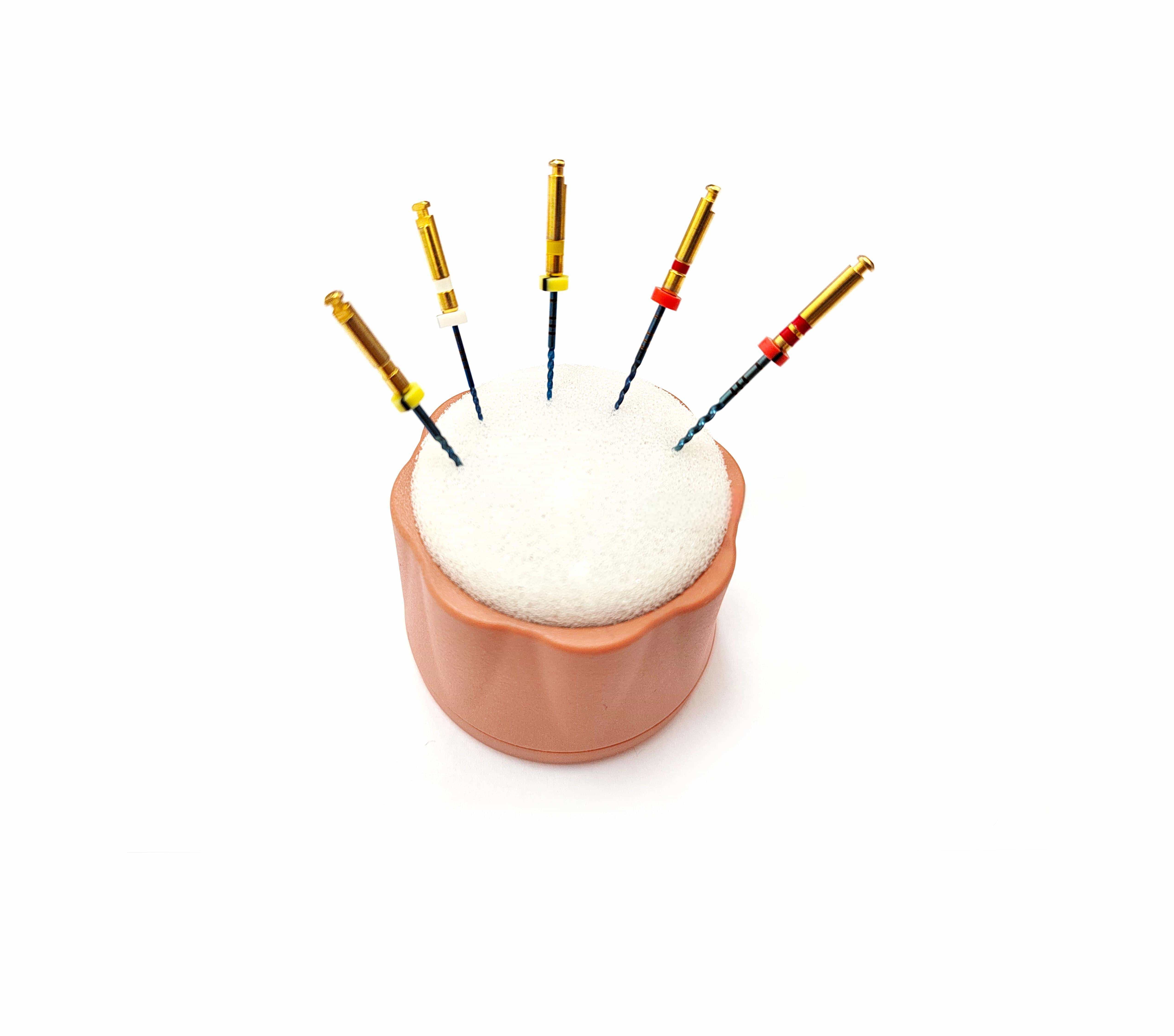
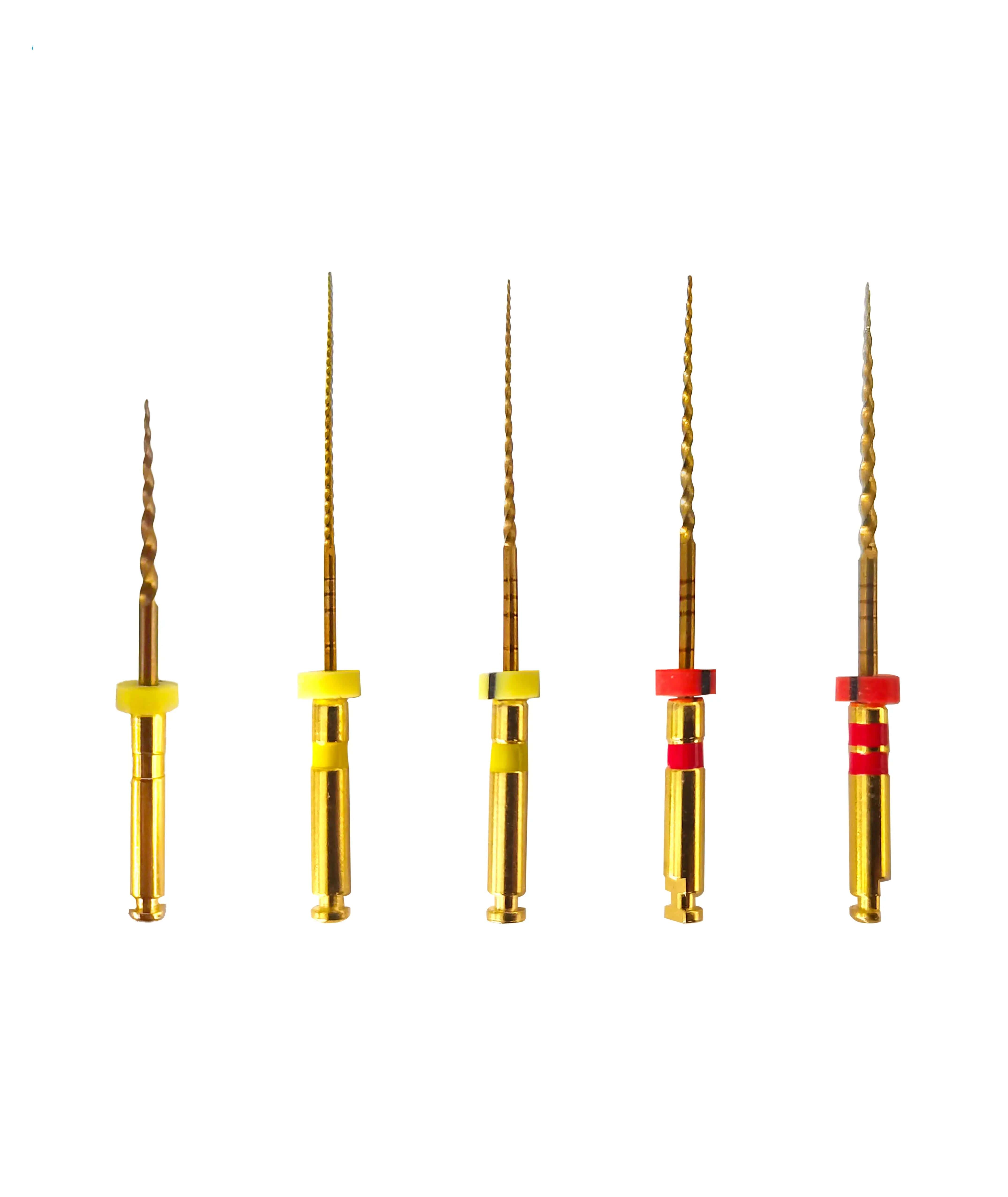
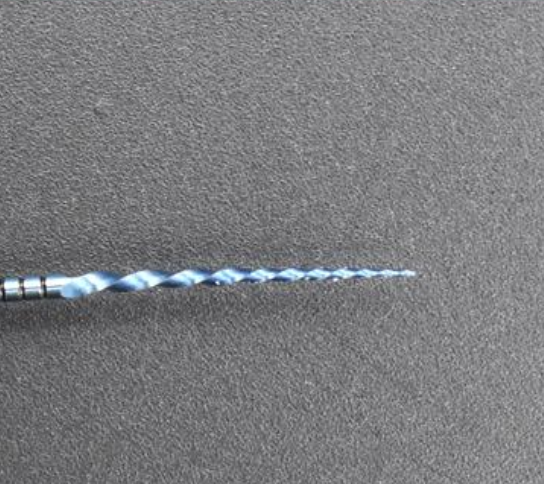
It is a thin, flexible instrument with tiny, sharp barbs along its length that enable it to engage and remove the pulp tissue from inside the root canal efficiently. Unlike the files that shape the canal, a barbed broach is mainly designed to clean out the soft tissue, debris, and remnants of the nerve inside the canal.
This instrument is usually made of stainless steel or nickel-titanium, which develops flexibility and strength needed to access the narrow and curved anatomy of root canals.
The Role of Barbed Broach Dental Use in Root Canal Treatment
The main purpose of barbed broach dental use is to remove the infected or damaged pulp tissue from inside the tooth's root canal. In a root canal procedure, after access is gained into the pulp chamber, the endodontist then introduces the barbed broach and carefully engages it to take out the tissue.
Here are some critical aspects of how barbed broach dental uses support successful root canal treatments:
- Efficient Debridement: The small barbs grasp the tissue and pull it out to help clear the canal before further cleaning and shaping.
- Minimally invasive: Because the barbed broach is slender, it can enter narrow canals with minimal damage to the dentin walls.
- Improved Cleaning: Removing all pulp tissue reduces the risk of bacterial infection, which is essential for preventing future complications.
- Time-Saving: The barbed broach allows for speedy removal of soft tissue, unlike the use of irrigation alone.
Best Practices for Use of Barbed Broach Dental
The ability to maximize the effectiveness and safety of barbed broach dental use depends greatly on proper technique and handling. Following are some of the best practices by dental professionals:
- Select the Appropriate Size: Barbed broaches are available in different sizes, enabling clinicians to use the tool that best fits the width and curvature of the canal.
- Single Use or Proper Sterilization: Several clinics prefer single-use barbed broaches to avoid cross-contamination and maintain sharpness. If reused, strict sterilization protocols have to be followed.
- Regular Inspection: The dentists inspect for wear, bending, or corrosion that could affect performance and safety.
- Used in Conjunction with Other Instruments: The barbed broaches are generally used before files and irritants are introduced to clean and shape the root canal system comprehensively.
Common Challenges and How to Overcome Them
Despite its usefulness, dental use of the barbed broach has some disadvantages:
- Instrument separation: Fracture of the broach inside the canal may be caused by excessive force applied or reuse of the broach. This is minimized by using a gentle technique and exchanging worn tools.
- Difficult Canals: Severely curved or calcified canals may be hard to negotiate. In these, flexible nickel-titanium broaches or alternative instruments may be required.
- Pulp Tissue Adhesion: Tissue may adhere to the barbs and occlude the instrument. Cleaning the broach regularly during the procedure will help to maintain effectiveness.
Conclusion
The barbed broach represents one of the dental uses of root canal therapy, which enables precise and effective removal of pulp tissue. Due to its specific design and function, it is indispensable for endodontists who seek successful, long-lasting treatment outcomes. Proper use and good maintenance of barbed broaches contribute to patient safety and enhance the quality of the root canal procedure. Anyone interested in dental tools or endodontic treatment will realize that barbed broach dental use conveys the perfect combination of technology and technique in modern dentistry.
Follow Us


Contact Us
+86 13651660950
+86 13816828040
peter.chen@comlea.cn
lu.l@comlea.cn
Lane 599, 1# 810,Shuangdan Road, Jiading District, Shanghai