
NiTi Solutions for Medical Manufacturers and Clinical Endodontics — A Practical View from the Field
Over the past decade, one material has steadily moved from “interesting option” to “industry default” across both medical manufacturing and clinical endodontics: Nickel–Titanium (NiTi).
You can see the trend everywhere—micro-actuator suppliers switching away from stainless steel, endoscopy departments replacing legacy guidewires, dental groups rebuilding their endodontic systems around NiTi files. This shift didn’t happen because of hype. It happened because the moment devices became smaller and procedures became more controlled, most traditional alloys simply couldn’t keep up.
At Comlea Global, where we supply NiTi-based endodontic and medical components to OEMs and clinical buyers worldwide, we see this transition not from abstract theory but from the daily conversations we have with engineering teams, private hospitals, and distributors.
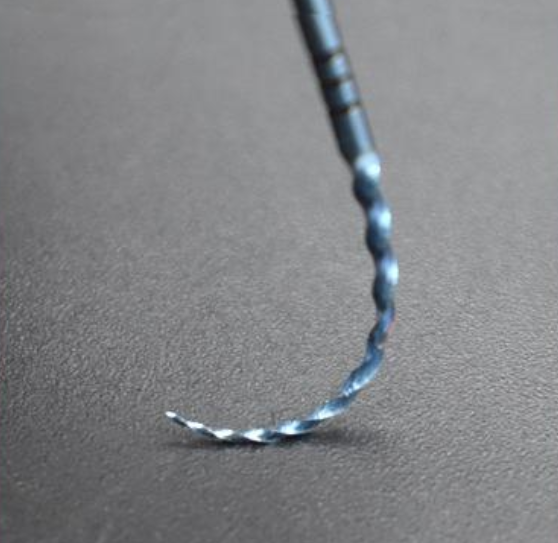
Why NiTi Is Quietly Becoming the “Default Engineering Answer”
Most engineers don’t change materials unless they must. The cost of switching and revalidating is high, and design cycles are tight. So when manufacturers move, there is usually a hard reason behind it.
Here are the practical drivers we hear most often—not theoretical advantages, but the things engineers actually complain about:
| What Manufacturers Need | How NiTi Really Helps |
|---|---|
| Micro-mechanisms that don’t deform | Superelastic recovery keeps geometry stable |
| A compact actuator without oversized motors | NiTi phase-change motion enables ultra-small designs |
| Better durability for high-cycle components | Significantly higher fatigue resistance |
| Fewer clinical failures | Consistency across bending and torque loads |
| Biocompatibility concerns | NiTi passes most global medical compliance requirements |
One of our long-term European clients—a maker of diagnostic micro-actuators—summed it up perfectly:
“NiTi wasn’t the material we wanted. It was the material we ended up needing.”
They redesigned a critical motion component three times before switching, and after the transition to NiTi, the failure rate dropped by nearly 70%.
This is not unusual. NiTi tends to solve problems designers didn’t know were material-related.
Where NiTi Matters Most: Micro Actuators and Endoscopic Tools
Micro Actuators: When Space and Precision Collide
In the micro-actuator world, the design brief is almost always contradictory:
-
“We need more movement, but less space.”
-
“We want a smoother force curve, but tighter tolerances.”
-
“It has to handle thousands of cycles, but we can’t make it any bigger.”
NiTi’s unique thermal-motion properties allow actuators to “behave” like biological muscle fibers—short, controlled, and predictable motion with minimal footprint. It’s not magic; it’s just physics working in your favor.
Once teams understand this, NiTi becomes difficult to replace.
Endoscopic Tools: Clinicians Don’t Ask for NiTi—They Ask for Tools That Don’t Fail
Doctors rarely request NiTi by name. They ask for:
-
a guidewire that follows anatomy without fighting them
-
a device that doesn’t get stuck in tight curves
-
tools that don’t break under torque
And when we send samples to hospitals for evaluation, feedback is usually straightforward:
“This one just feels easier.”
“The flexibility is different.”
“It bends but doesn’t collapse.”
They are describing NiTi—even if they don’t say it.
NiTi in Dental Endodontics: Where Performance Directly Impacts Revenue
Endodontics is where NiTi’s benefits translate most clearly into business outcomes.
A single NiTi file system can change:
-
case completion time
-
patient throughput
-
doctor fatigue
-
file separation rates
-
training curves for new clinicians
One chain client in Southeast Asia tracked the numbers:
After standardizing their clinics on NiTi rotary systems, average treatment time dropped from 28 minutes to 19 minutes, and monthly case volume increased by 22–27%.
That is the kind of improvement you can measure in revenue—not just clinical satisfaction.
| Endodontic Need | NiTi Advantage |
|---|---|
| Follow canal curvature | High flexibility and controlled restoration |
| Reduce separation risk | Superior cyclic fatigue resistance |
| Faster case progression | Efficient cutting with predictable pathways |
| Standardized results | Lower operator variance |
Where Comlea Global Fits In
Comlea Global is not a reseller.
We operate closer to a technical partner for manufacturers, clinics, and distributors who need NiTi-based solutions that are:
-
reliable across batches
-
optimized for high-cycle performance
-
clinically validated
-
compatible with OEM workflows
-
scalable for procurement groups
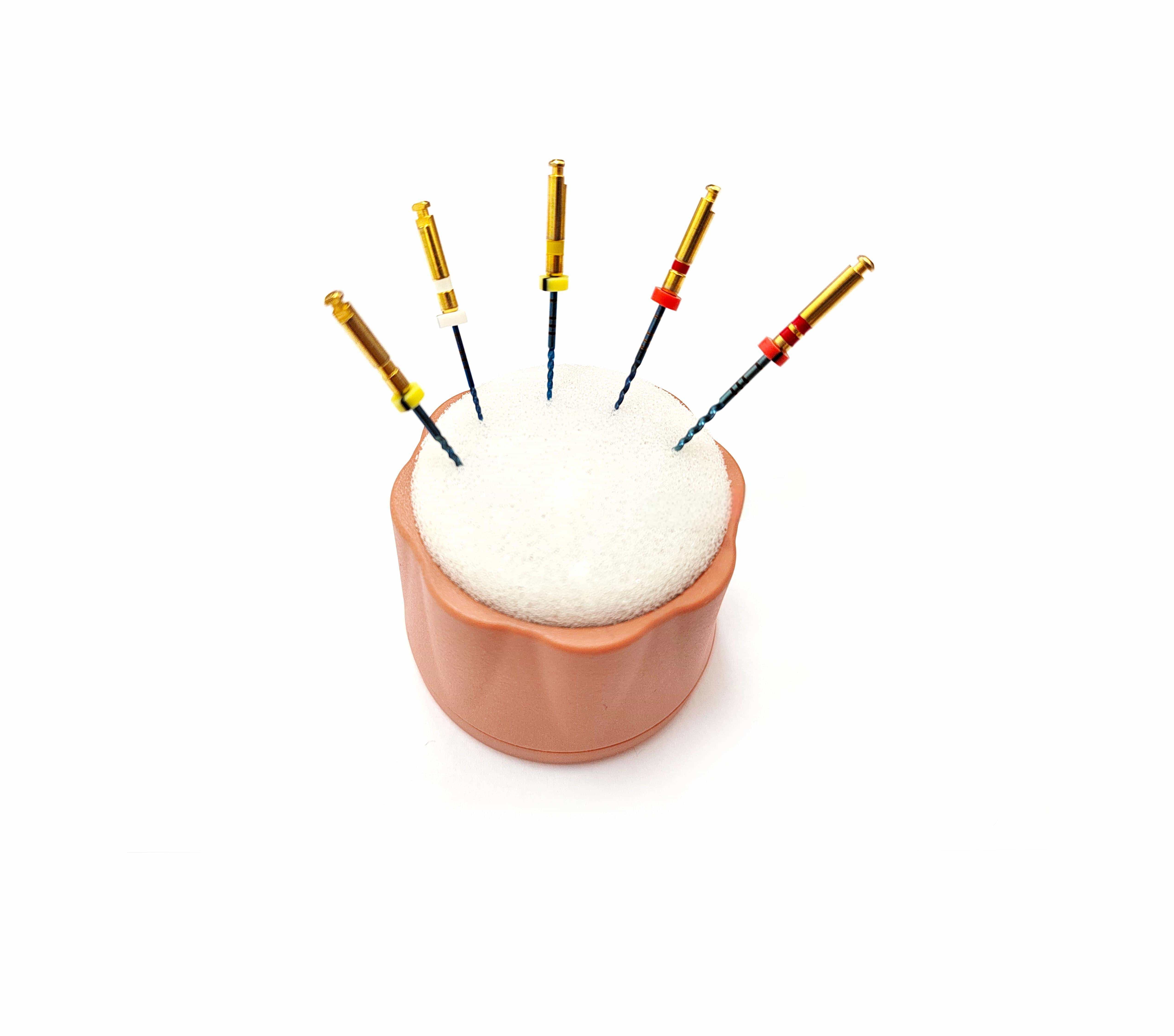
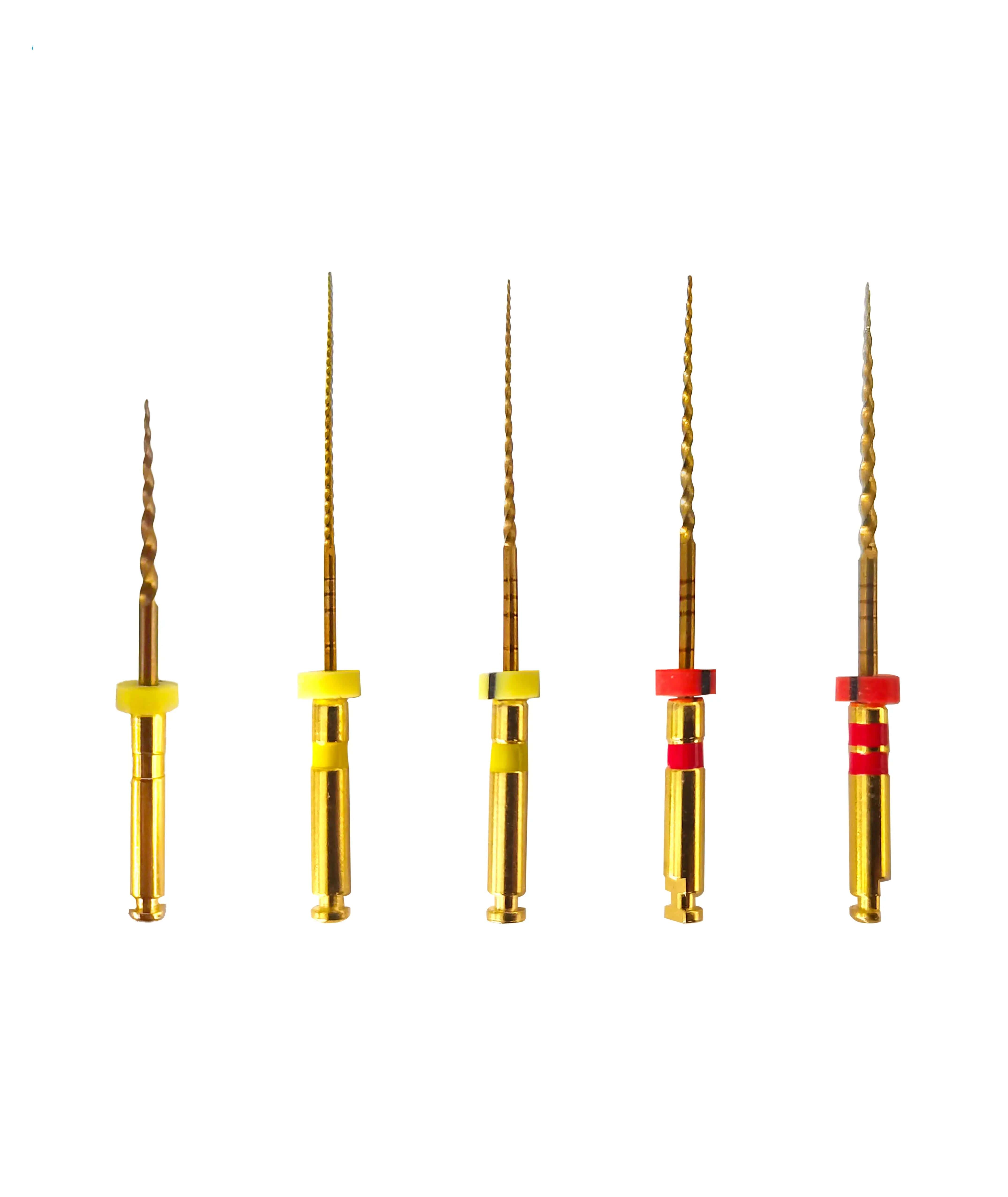
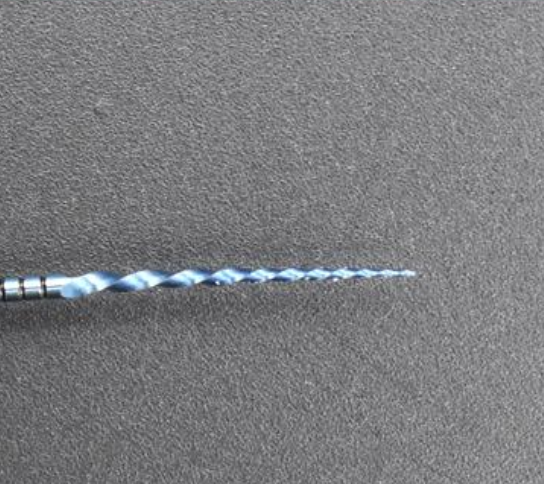
Our NiTi endodontic systems, guidewire components, and micro-mechanism elements are produced with controlled metallurgy, precise heat treatment, and strict geometric tolerances—because even small inconsistencies can lead to failure in the field.
Most clients come to us for one of three reasons:
-
Their engineers have reached the limit of what steel or basic alloys can do.
-
Their clinics want more predictable tool performance.
-
Their procurement teams need a stable manufacturer, not a trading intermediary.
If that’s where you are, NiTi is not just an upgrade—it’s often the most sensible way forward.
Conclusion: NiTi Isn’t a Trend. It’s Infrastructure.
Every industry eventually adopts a material that becomes the backbone of its next generation of devices.
In orthopedics, it was titanium.
In electronics, it was silicon.
In minimally invasive and endodontic systems, it’s becoming NiTi.
The institutions that move early tend to benefit longest—not because they are early adopters, but because they build more reliable systems with fewer redesigns.
NiTi is crossing that threshold now.
And for clinics, OEMs, and distributors, this shift is not theoretical anymore—it’s operational.
Follow Us


Contact Us
+86 13651660950
+86 13816828040
peter.chen@comlea.cn
lu.l@comlea.cn
Lane 599, 1# 810,Shuangdan Road, Jiading District, Shanghai