
Material Science Behind the Best Rotary Files for Curved Canals: Flexibility and Durability
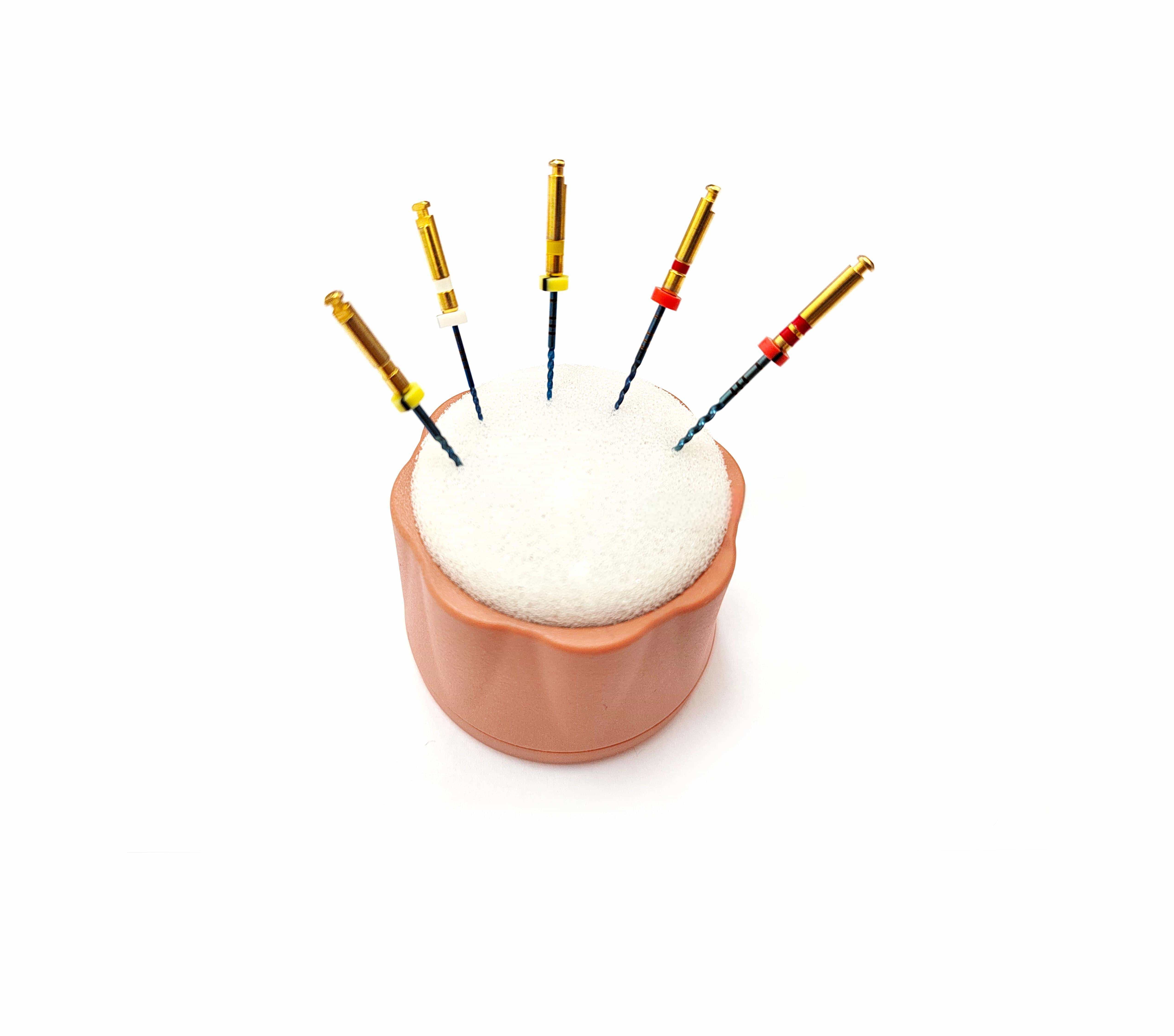
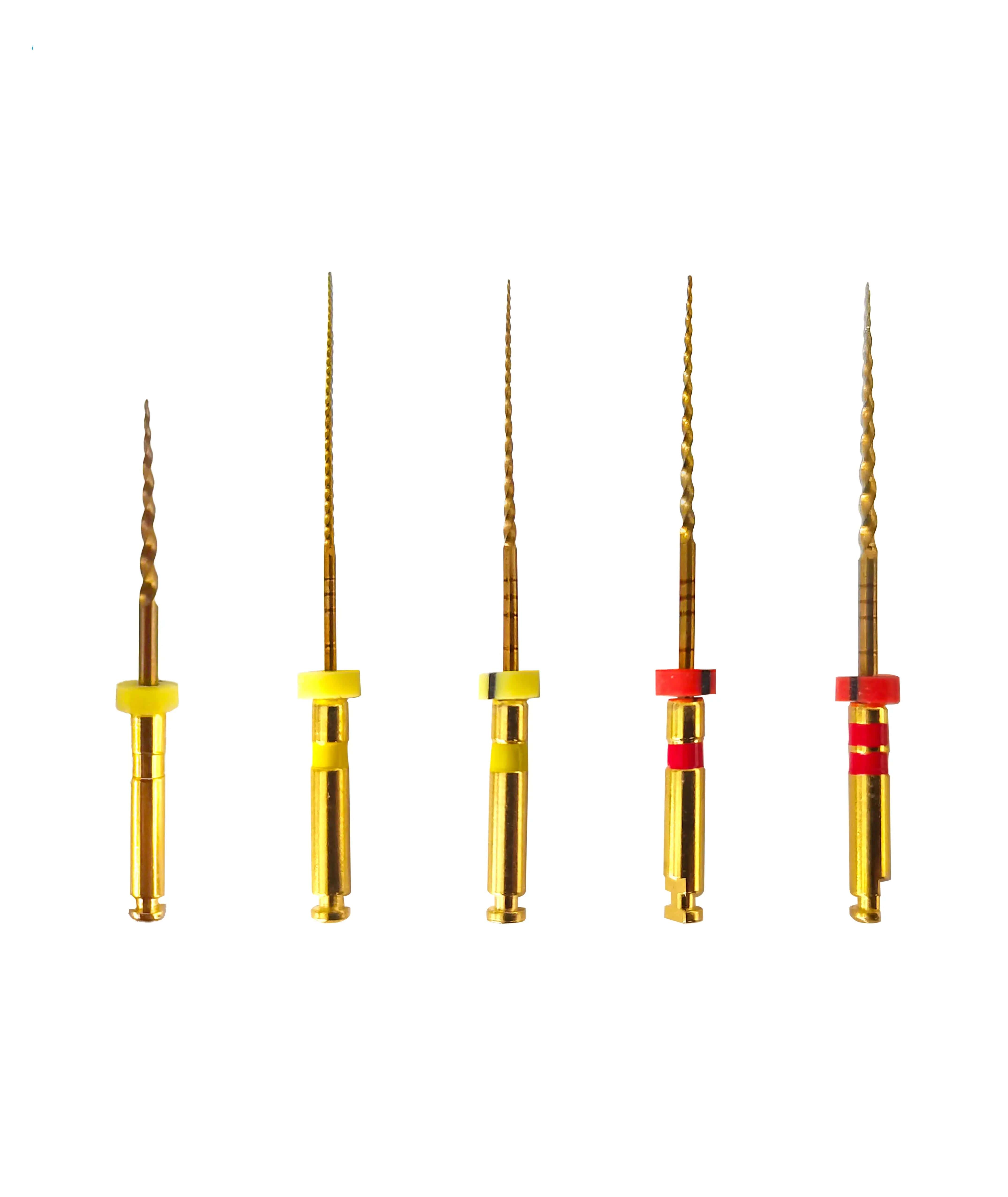
In endodontics, navigating curved canals presents unique challenges that demand precision and reliability. Selecting the best rotary files for curved canals is crucial for successful root canal therapy.
The Importance of Material Flexibility in Rotary Files for Curved Canals
Curved canals have traditionally been very hard to instrument. An overly stiff rotary file may result in ledge formation, perforation, or transportation, rendering the procedure unsuccessful. Flexibility is thus an indispensable attribute of an efficient rotary file meant for curved canals.
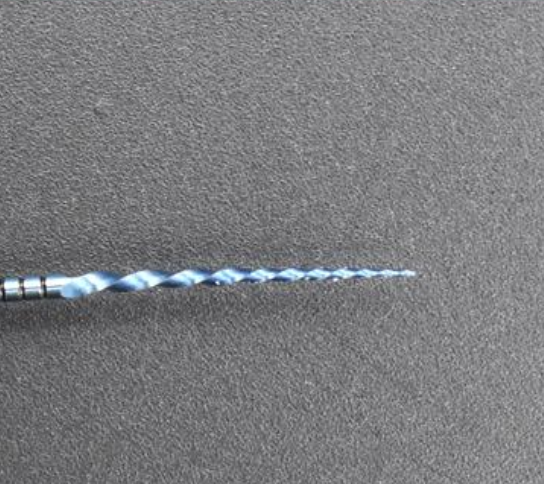
The flexibility offered by rotary files depends on the alloy and method of manufacture. The commonly used materials for making rotary files are nickel titanium alloys. These alloys have superior elasticity and a strong shape memory effect.
- Nickel-Titanium (NiTi) Alloys: Nickel titanium alloys have the property of considerable elasticity, enabling nickel titanium files to bend without damaging while still having efficient cutting action.
- Heat Treatment Processes: Modern heat treatment processes, including M-Wire, R-Phase, or Controlled Memory wire, have changed the structure of NiTi alloys and made them more flexible without compromising strength. Cyclic fatigue, a reason for failed files, can be eliminated.
By using these materials and processes, manufacturers have created rotary files with the capability of negotiating tight curves without damaging the instrument.
Durability: Balancing Strength and Resistance to Fatigue
While flexibility is important, durability should not be overlooked. The ideal rotary files for curved canals should resist fracturing under repetitive bending and torsional forces during clinical use.
- Cyclic Fatigue Resistance: It is the resistance of the file to tension and compression cycling. The heat-treated NiTi files have superior cyclic fatigue resistance when compared with conventional NiTi. This signifies that these instruments can survive longer in the clinical scenario, especially in curved canals.
- Torsional resistance: This refers to how much twisting force a file can resist before fracturing. New cross-sectional designs and surface treatments enhance torsional resistance without compromising flexibility.
In addition, surface finishing techniques, such as electropolishing, remove micro-defects that serve as points where cracks can initiate, thereby further enhancing file longevity.
Why Material Science Matters When Choosing the Best Rotary Files for Curved Canals
Clinicians often select rotary files based on brand reputation or cost, but understanding the underlying materials can lead to better clinical decisions.
- Reduced Risk of File Separation: Files made from heat-treated NiTi alloys significantly reduce the chance of unexpected fracture, which is a critical safety factor in curved canals.
- Improved Canal Shaping: Flexible files conform better to canal anatomy, preserving the original shape and reducing procedural errors.
- Greater Efficiency: Durable files maintain sharp cutting edges longer, leading to faster and smoother canal preparation.
By prioritizing material quality and treatment methods, dentists can confidently select the best rotary files for curved canals to achieve predictable, safe, and effective root canal treatments.
Conclusion
The process of choosing the best rotary files for curved canals requires more than cost and brand considerations. Material sciences research and developments, particularly with regards to Nickel Titanium alloys, have significantly impacted file malleability and longevity. To make an educated decision on choosing rotary files for curved canals, it will be necessary to have basic knowledge about these research and developments.
Follow Us


Contact Us
+86 13651660950
+86 13816828040
peter.chen@comlea.cn
lu.l@comlea.cn
Lane 599, 1# 810,Shuangdan Road, Jiading District, Shanghai