
How an Endo Handpiece for Hand Files Improves Endodontic Efficiency and Safety
Root canal therapy is a precise, time-consuming task that requires patience and technical control. As endodontic techniques are continuously refined, clinicians constantly seek out tools that make the treatment process more efficient and safer for patients. One of the modern advancements in this direction, gaining popularity, is the endo handpiece for hand files. It bridges the gap between manual filing and rotary systems by introducing power-assisted movement to traditional stainless-steel files while maintaining tactile sensitivity. This article reviews how an endo handpiece for hand files enhances endodontic workflow, ergonomics, and treatment outcomes.
What Is an Endo Handpiece for Hand Files?
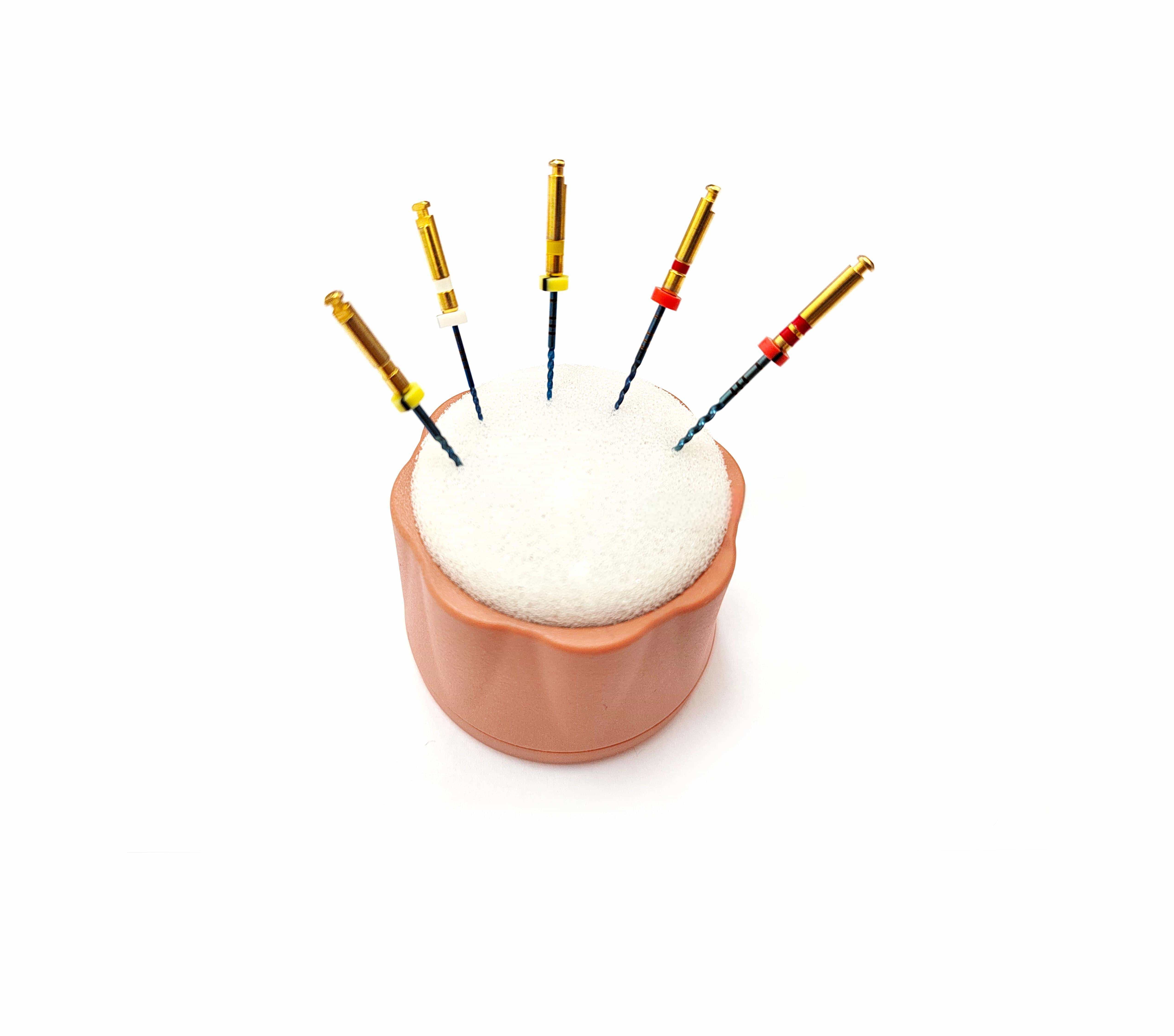
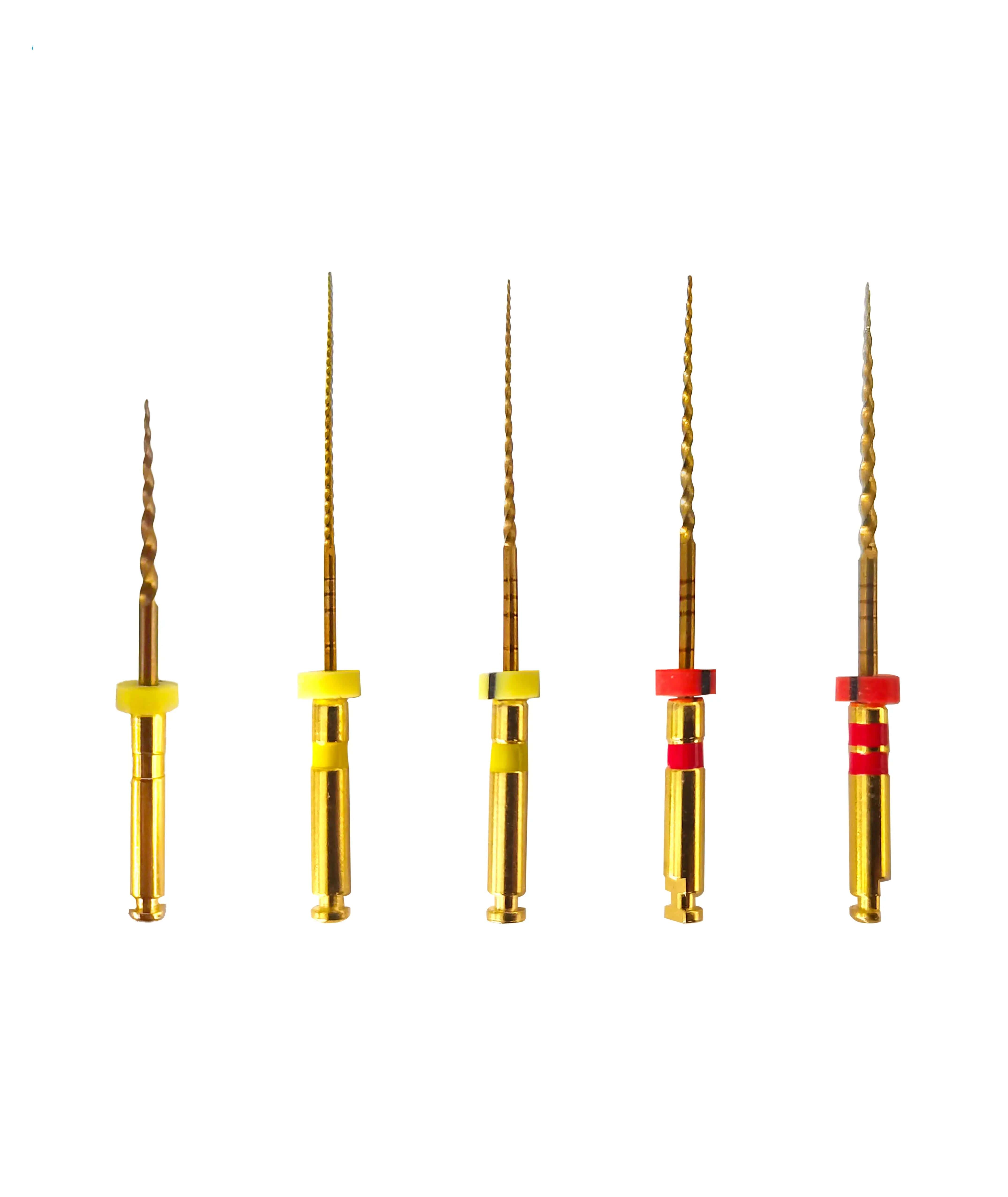
The endo handpiece for hand files represents a mechanical or semi-mechanical endodontic instrument attachment designed to hold conventional stainless steel hand files and produce controlled reciprocating or oscillating movements with them. Unlike full rotary handpieces, it allows clinicians to retain the feeling of manual control while gaining motor assistance. Therefore, this is ideal for canal negotiation, glide path preparation, and shaping in narrow, curved, or calcified canals where precision is essential.
Why Hand Files are Still Used by Dentists for Complex Cases
Although rotary and reciprocating NiTi systems dominate modern endodontics, manual stainless steel files remain indispensable for delicate scenarios. Clinicians especially rely on hand files when finding themselves in the presence of constricted canal openings, sharp curvature, and unpredictable anatomy. Traditional hand instrumentation offers superior tactile sensation but can be very time-consuming and physically demanding. When used in conjunction with an endo-handpiece for hand files, professionals achieve both enhanced efficiency and controlled feedback.
Advantages of Using an Endo Handpiece for Hand Files
Increased Clinical Efficiency and Faster Procedures
Manual filing involves many repetitive movements and thus can significantly increase chair time, particularly in multi-canal molars. An endo handpiece for hand files reduces instrumentation time since the movements are constant and controlled. This means that the practitioner can move faster without loss of accuracy to ensure smoother and faster procedures and a better patient experience.
Reduced Hand Fatigue and Improved Ergonomics
Endodontic treatment requires delicate, repetitive wrist motion that could result in hand strain or even chronic musculoskeletal problems. An endo handpiece for hand files reduces physical effort by allowing the tool to perform most of the mechanical movement. This improves comfort for the clinician, reduces fatigue during long or complex procedures, and may help prevent work-related injuries.
Enhanced Safety Through Controlled Movement
File separation remains one of the most critical risks in endodontics and is often due to excessive torsional stress or cyclic fatigue. Fully motorized rotary systems may further increase this risk when working in an anatomy that is challenging. On the other hand, the endo handpiece for hand files guarantees controlled, low-torque movement with preservation of tactile feedback. Dentists can immediately recognize unusual resistance and stop working before a fracture occurs, thereby reducing complications and improving canal integrity.
Better Performance in Complex Canal Anatomy
Most canals possess irregular or curved paths inadequate for rotary shaping, at least in the early stages of treatment. An endo handpiece for hand files aids in negotiating conditions like these while ensuring a natural path is maintained and the potential for transportation, ledging, zipping, or perforation reduced. It provides more clinical versatility, especially in the initial exploration of canals and glide path creation.
How an Endo Handpiece for Hand Files Compares to Rotary Systems
While excellent for efficient shaping in predictable canals, rotary NiTi systems may not be the instrument of choice for more constricted, calcified, or sharply curved pathways. Instead, an endo handpiece for hand files would result in a much safer and more controlled approach. The use of such handpieces is of particular value during the initial learning curve, for pediatric treatments, retreatment cases, and teeth with anatomical anomalies.
Conclusion
An endo handpiece for hand files unites the advantages of tactile manual instrumentation with the time-saving advantages of powered motion. It enhances productivity while minimizing fatigue for the clinician, is safer, and easily adapts to the most complicated canal anatomy. It will be of practical use in modern endodontics for dental professionals who value precision and ergonomic comfort.
Follow Us


Contact Us
+86 13651660950
+86 13816828040
peter.chen@comlea.cn
lu.l@comlea.cn
Lane 599, 1# 810,Shuangdan Road, Jiading District, Shanghai