
H File Endodontics Explained: Design, Function, and Clinical Advantages
In modern root canal therapy, instrumentation plays a critical role in ensuring treatment success. Among the many instruments available to dentists, H File endodontics stands out as one of the most widely used hand files due to its efficiency, cutting ability, and intuitive design.
What Is an H File in Endodontics?
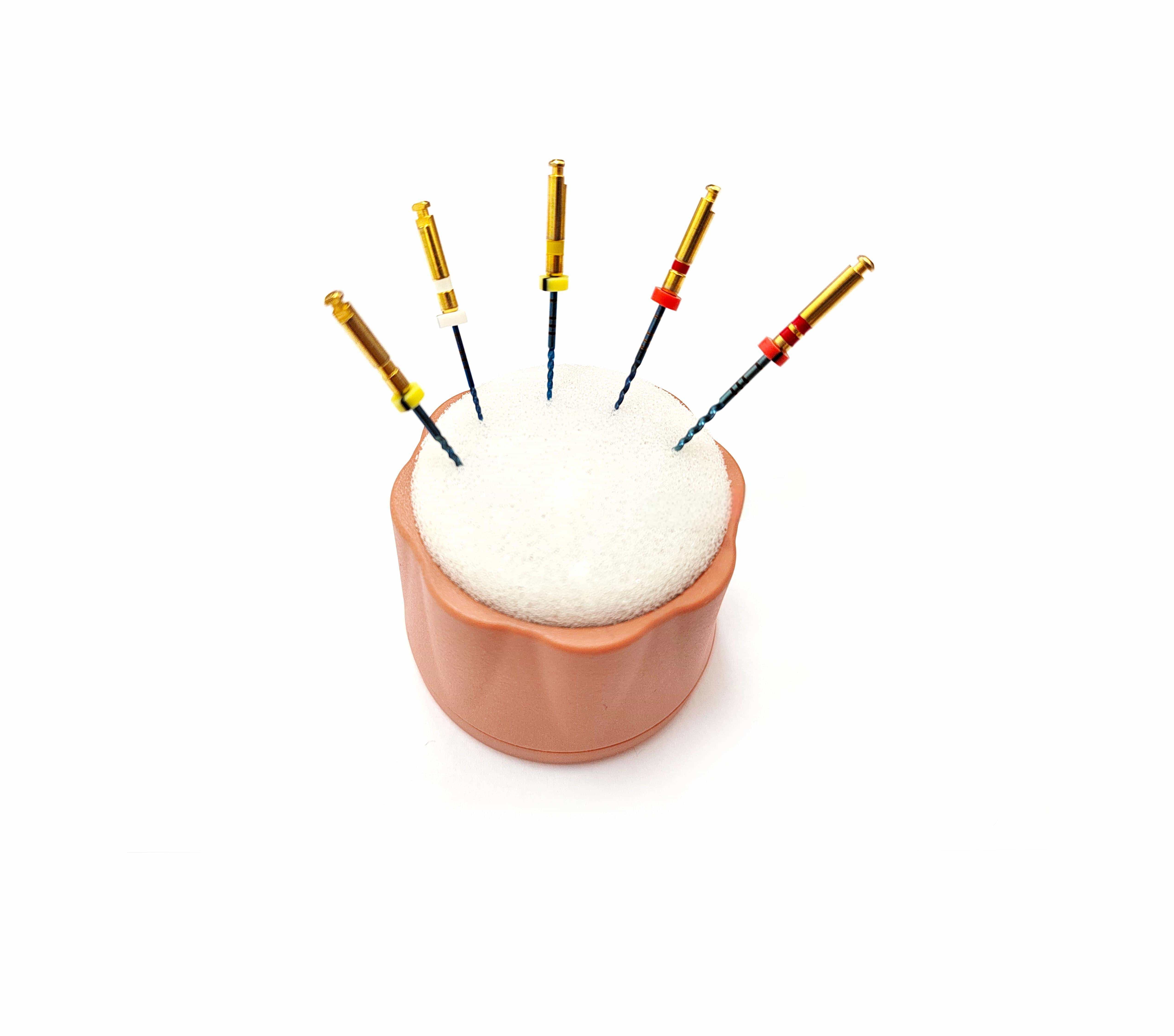
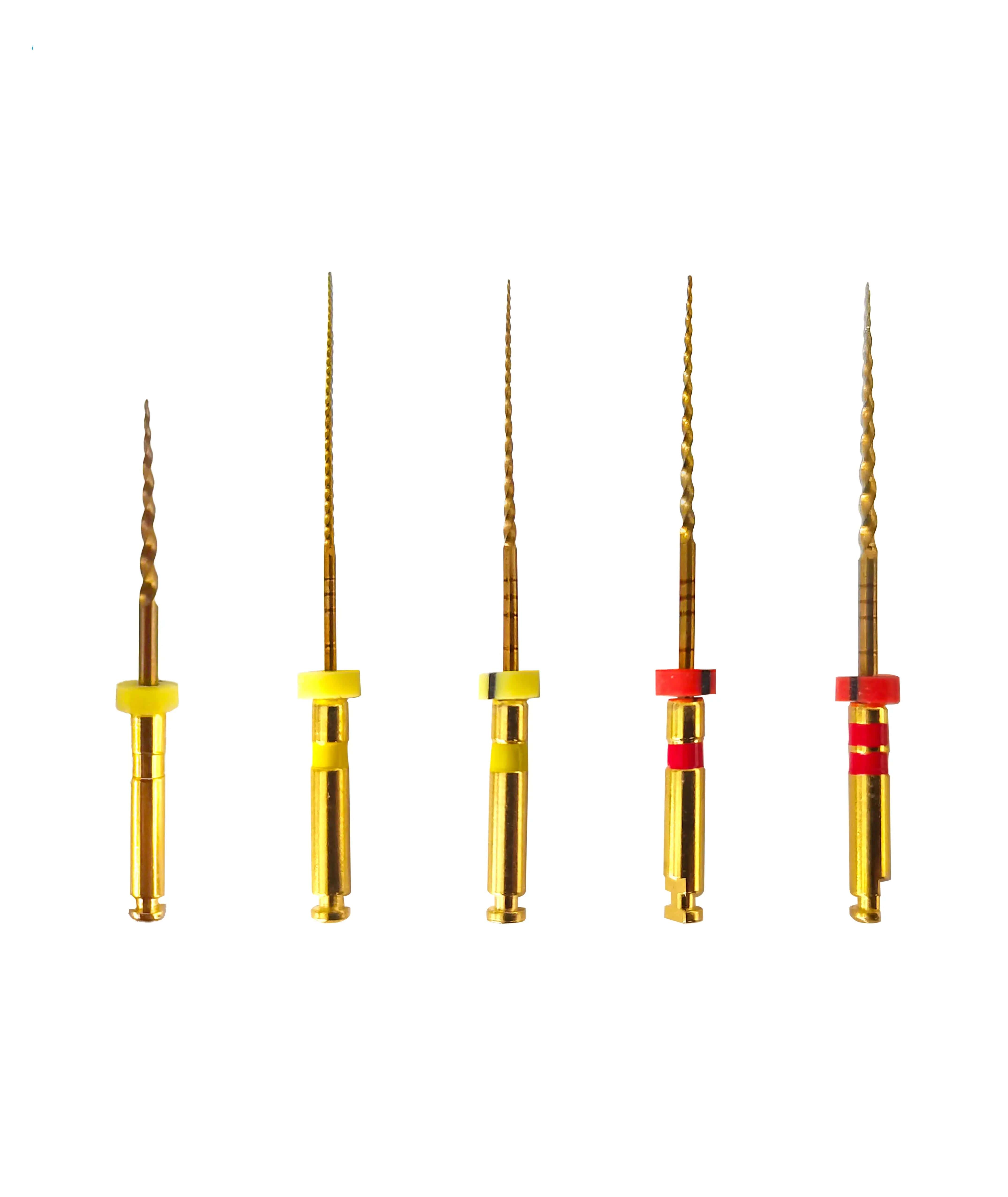
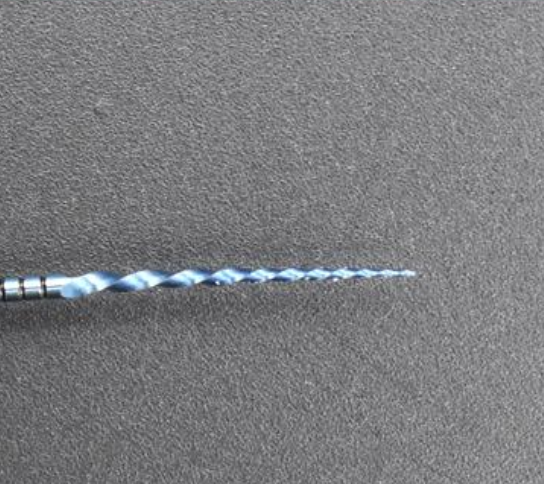
The term H file refers to the Hedström file, a hand instrument used for mechanical preparation of root canals. Unlike other files that rely on twisting, the H file is designed to cut dentin aggressively when pulled out of the canal. It has a unique, spiral-like shape molded from a round stainless-steel or nickel-titanium blank, giving it excellent cutting efficiency.
In h file endodontics, the instrument is mainly used for:
- Removing dentin from canal walls
- Enlarging the root canal space
- Cleaning debris and pulp tissue
- Creating a glide path in challenging canals
Dentists frequently choose H files for their precise cutting ability, especially in straight or mildly curved canals.
Unique Design Features of H File Endodontics
One of the major reasons clinicians rely on h file endodontics is the file’s distinct design. Unlike K-files, which are twisted from a square or triangular blank, H files are machined to create sharp, blade-like cutting edges.
Key design characteristics include:
- Conical shape with sharp flutes: This allows efficient cutting when the file is withdrawn, making it ideal for a push-pull motion.
- High cutting efficiency: The sharp edges shave dentin cleanly, reducing the number of strokes needed.
- ISO-standardized sizing: Color-coded handles help clinicians select the appropriate size quickly.
- Stainless steel or NiTi material options: Stainless steel provides stiffness, while nickel-titanium allows greater flexibility, especially useful in curved canals.
- Because of its precision and predictable behavior, the H file is commonly used during the early stages of canal shaping.
How H Files Function in Endodontic Procedures
When discussing h file endodontics, many clinicians highlight its cutting mechanism. The H file is not designed for rotational use; instead, it excels with a *pull stroke*. When inserted gently into the canal and withdrawn, the file’s sharp edges engage dentin and remove it efficiently.
Typical clinical uses include:
- Shaping and smoothing canal walls: The file removes irregularities and helps create a uniform canal shape.
- Debridement: The push-pull motion dislodges pulp remnants and infected tissue.
- Refinement after rotary instrumentation: H files can be used to eliminate ledges or enhance the final shape.
- Bypassing blockages: In cases of calcified canals, small H files can help regain patency.
Because of its aggressive cutting action, clinicians use controlled, cautious movements to avoid complications such as perforation or instrument separation.
Clinical Advantages of H File Endodontics
Many dentists continue to rely on H files even with the rise of rotary and reciprocating systems. Their advantages in h file endodontics include:
Superior Cutting Efficiency
The sharp, machined blades enable fast dentin removal, making canal shaping more predictable.
Excellent Tactile Feedback
As a hand instrument, the H file provides superior tactile sensation, allowing the clinician to feel obstructions, canal curvature, and irregularities.
Cost-Effective and Versatile
Compared with engine-driven systems, H files are inexpensive, easy to sterilize, and suitable for routine use, retreatments, and emergencies.
Effective in Narrow and Straight Canals
Their design is ideal for canals where rotary files may be less effective or pose a higher risk of fracture.
Useful for Finishing and Refinement
Even in modern practice, many clinicians perform a final hand-filing pass with an H file to ensure complete debridement.
Best Practices for Using H Files Safely
To maximize the benefits of h file endodontics, clinicians follow important safety recommendations:
- Use a gentle push-pull motion—avoid twisting.
- Never force the file into the canal.
- Inspect files for distortion before and during use.
- Use lubrication to reduce friction.
- Choose appropriate sizes to prevent ledging or perforation.
By using H files correctly, clinicians reduce the risk of instrument separation and ensure smoother, more predictable treatment outcomes.
Follow Us


Contact Us
+86 13651660950
+86 13816828040
peter.chen@comlea.cn
lu.l@comlea.cn
Lane 599, 1# 810,Shuangdan Road, Jiading District, Shanghai