
Best Glide Path Rotary Files for Complex Root Canal Systems
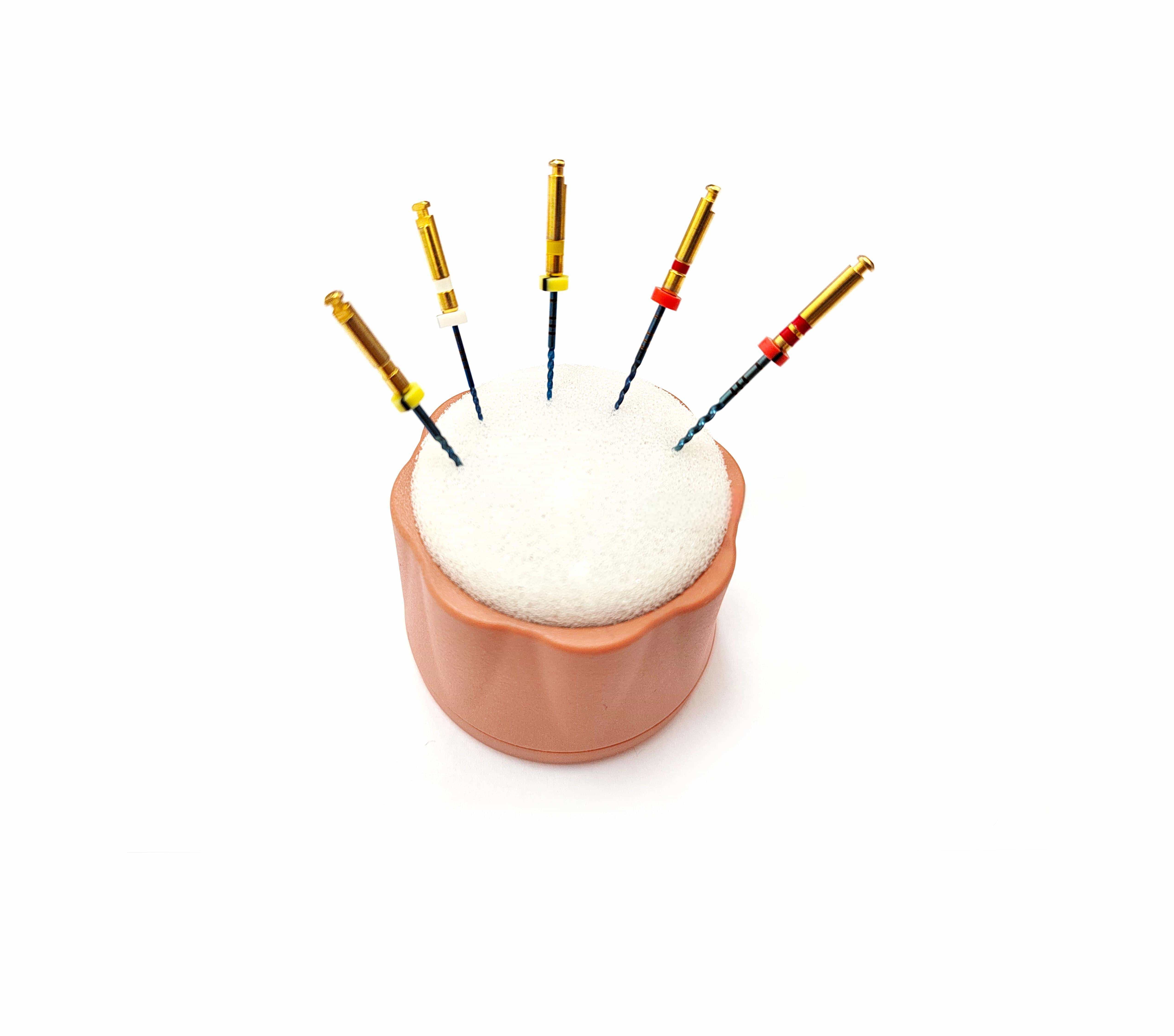
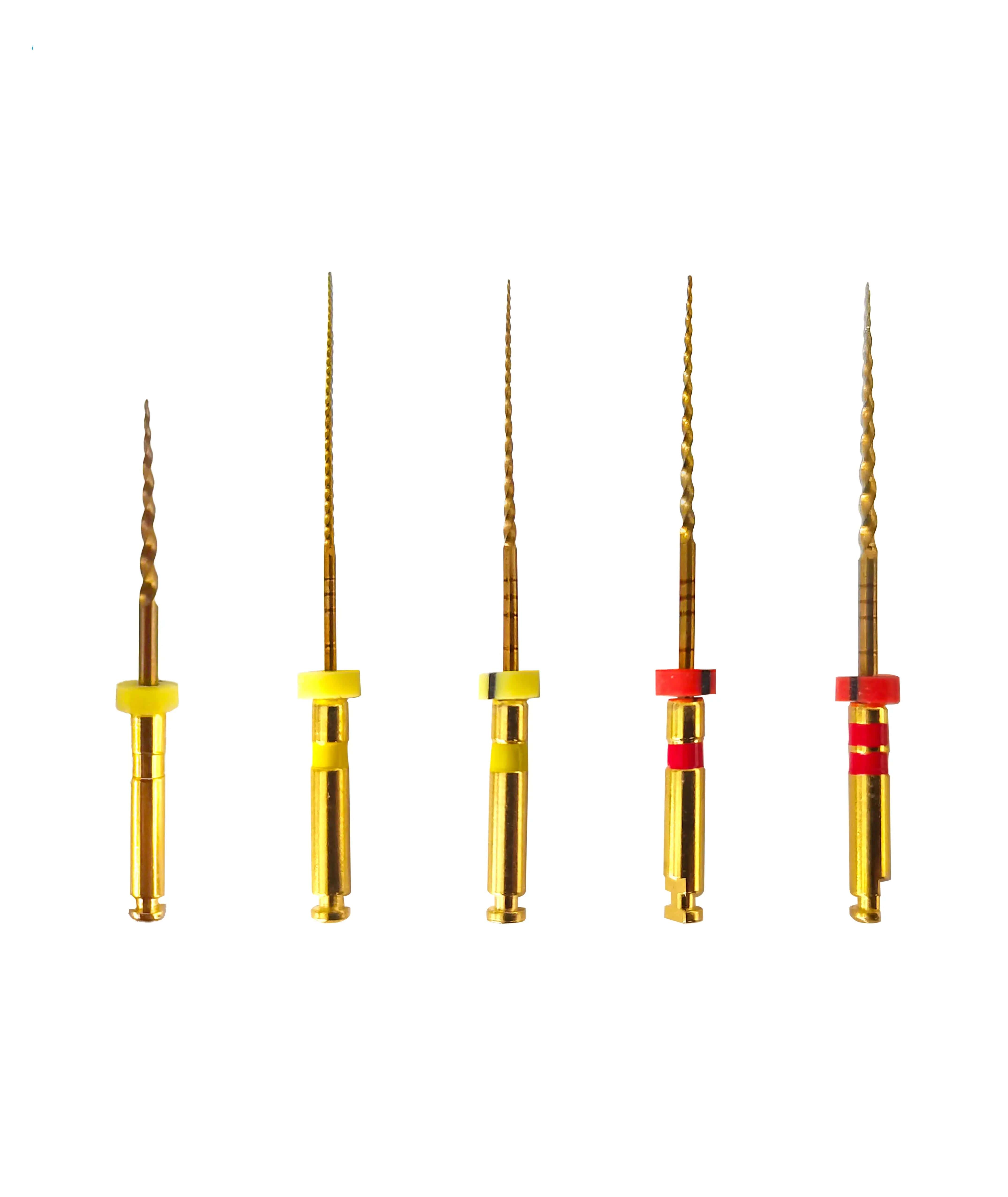
Treating complex root canal systems requires precision, flexibility, and the right tools to ensure successful outcomes. One of the essential instruments for endodontists is glide path rotary files. These files help create a smooth and reproducible path in the root canal, making it easier to use subsequent shaping files and minimizing the risk of complications.
Why Glide Path Rotary Files Are Crucial for Complex Root Canal Systems
Complex root canal systems often feature severe curvatures, narrow canals, and anatomical variations that increase the risk of file separation, ledging, or canal transportation. Using glide path rotary files allows clinicians to prepare a safe, reproducible pathway before introducing larger shaping files.
Key benefits of using glide path rotary files in complex canals include:
- Reducing torsional stress on shaping files
- Preserving canal anatomy and preventing procedural errors
- Increasing treatment efficiency and patient comfort
- Facilitating safer instrumentation of narrow and curved canals
Because of these advantages, choosing the right glide path rotary files is especially important when dealing with complex cases.
Features to Look for in the Best Glide Path Rotary Files
Not all glide path rotary files perform equally in complex root canal systems. When selecting the best files, endodontists should consider the following features:
- Flexibility: Highly flexible files can navigate curved canals with minimal risk of ledging or transportation.
- Material: Nickel-titanium (NiTi) alloys offer superior elasticity and fatigue resistance. Heat-treated NiTi files further enhance performance.
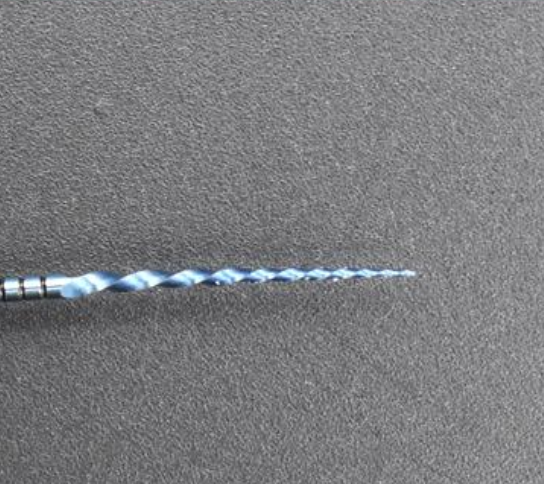
- Taper and Tip Design: Smaller tapers and non-cutting tips reduce canal deformation and allow easier navigation through tight spaces.
- Safety Mechanisms: Some files include controlled memory technology or torque control to minimize separation risks.
These features ensure that glide path rotary files maintain canal integrity while preparing a reliable glide path.
Best Practices When Using Glide Path Rotary Files in Complex Root Canals
To maximize the benefits of glide path rotary files and ensure patient safety:
- Always start with a thorough assessment of the canal anatomy using radiographs or CBCT imaging.
- Establish patency with small stainless steel hand files before introducing rotary glide path files.
- Use recommended speed and torque settings to reduce stress on files.
- Irrigate canals adequately during and after instrumentation to remove debris.
- Replace glide path rotary files after signs of wear or deformation to prevent separation.
Following these steps will optimize the treatment outcome in complex root canal systems.
Conclusion
For successful treatment of complex root canal systems, the use of high-quality glide path rotary files is indispensable. Their flexibility, design features, and safety mechanisms help clinicians prepare smooth and safe glide paths, minimizing complications and improving efficiency. By choosing the right glide path rotary files and adhering to best clinical practices, endodontists can enhance treatment success and patient satisfaction.
If you’re looking to improve your endodontic toolkit, investing in the best glide path rotary files tailored for complex canals is a smart choice that can make all the difference in your practice.
Follow Us


Contact Us
+86 13651660950
+86 13816828040
peter.chen@comlea.cn
lu.l@comlea.cn
Lane 599, 1# 810,Shuangdan Road, Jiading District, Shanghai